The most common first boarding mistake is not choosing the wrong facility. It is skipping the preparation: no trial night, food switched on travel day, instructions left vague, and a dog that has never spent a night away from home suddenly doing three. None of that is neglect in any dramatic sense, but the costs stack up in a predictable order, a stressed dog, a rough first night, a picky appetite, and an owner spending the trip worrying instead of traveling.
Preparation is cheap and mostly takes a week of small steps. Here is what to pack, what to expect, and what skipping each step tends to produce at a facility like Palmetto Paws & Doggy Daycare in Lancaster.
What to pack, and why each item earns its space
Food first, measured into per-meal portions if you can, plus a little extra. A boarding stay is the worst possible time for a diet change, and an upset stomach in a new place reads as stress even when it is just new kibble. Add the familiar item: a blanket or worn t-shirt that smells like home and like you. Add medications in original containers with written instructions. Add the paperwork, vaccination records and your vet's contact, in the bag rather than promised by text later. A chew or toy the dog already likes is welcome; a brand new exciting toy is not the comfort object people imagine.
What to leave home: the expensive bed that cannot be washed, the full treat jar, and a long letter. One clear page of instructions beats five pages of biography, because staff on a busy evening follow the page they can scan.
The first night, honestly
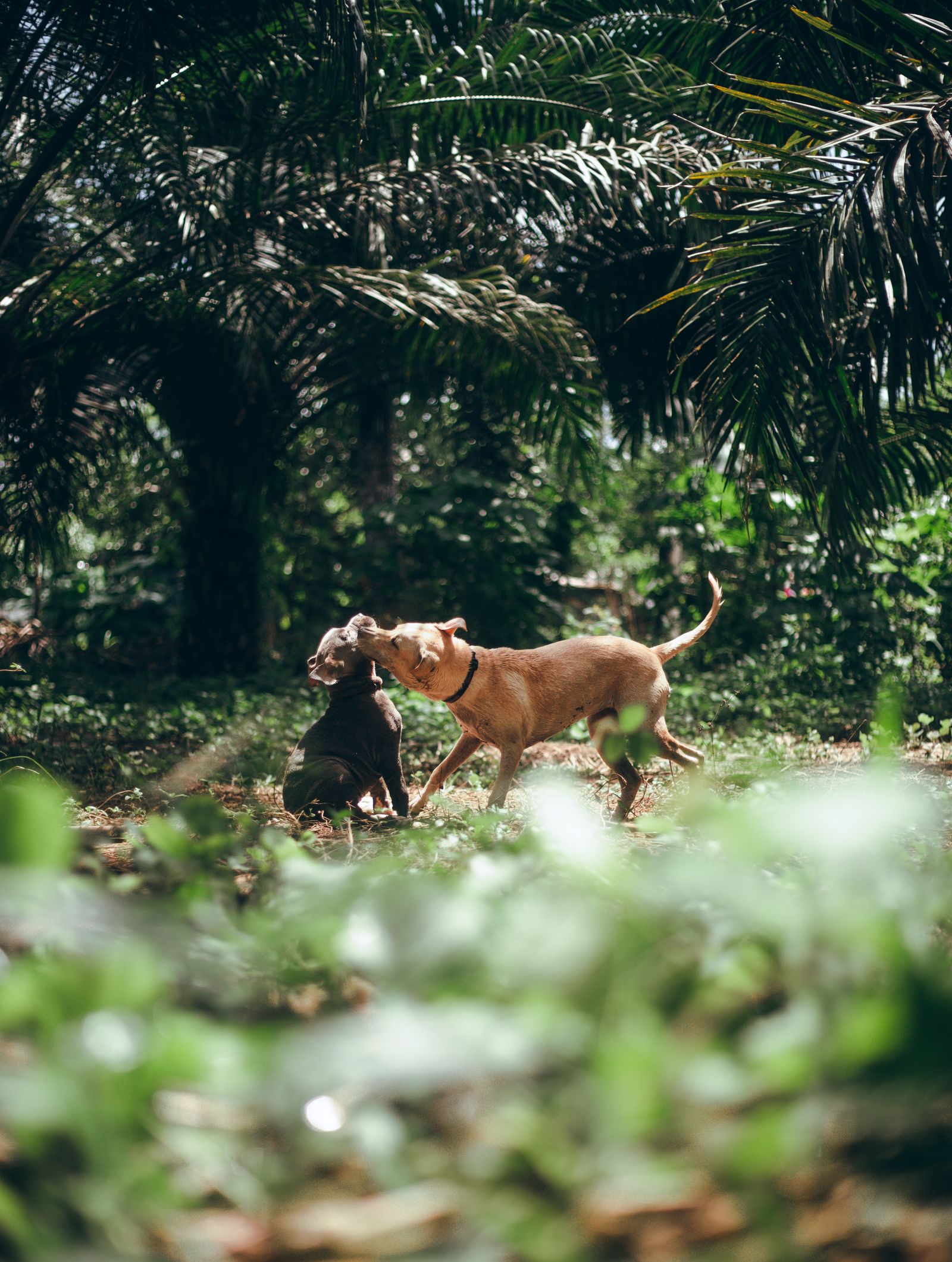
Expect the first night to be the hardest and plan as if that is normal, because it is. New sounds, new smells, other dogs settling at different speeds, and a sleeping spot that is not the usual one add up to a restless night for many dogs, even confident ones. By the second night most dogs have mapped the routine, feeding times, play times, lights out, and they sleep like they understand the place, because by then they do.
This is where skipping the trial night costs you. A dog whose first ever boarding experience is a five night stay spends the trip's first half adjusting. The same dog, given one overnight rehearsal a few weeks earlier, arrives the second time already knowing the staff, the yard, and the rhythm, and the long stay starts where the trial left off. Skipping food prep has its own cost: a dog that refuses unfamiliar food or gets an upset stomach eats poorly for days, loses a little condition, and comes home tired in a way owners misread as unhappiness with the facility.
Pickup and the day after
A well boarded dog often comes home and sleeps hard for a day. That is the arithmetic of days full of play and nights in a stimulating place, not evidence of a bad stay. Offer water, a normal meal, and a quiet evening. Ask at pickup how eating, sleeping, and play actually went, and write down the answer; it is the raw material for making the next stay easier.
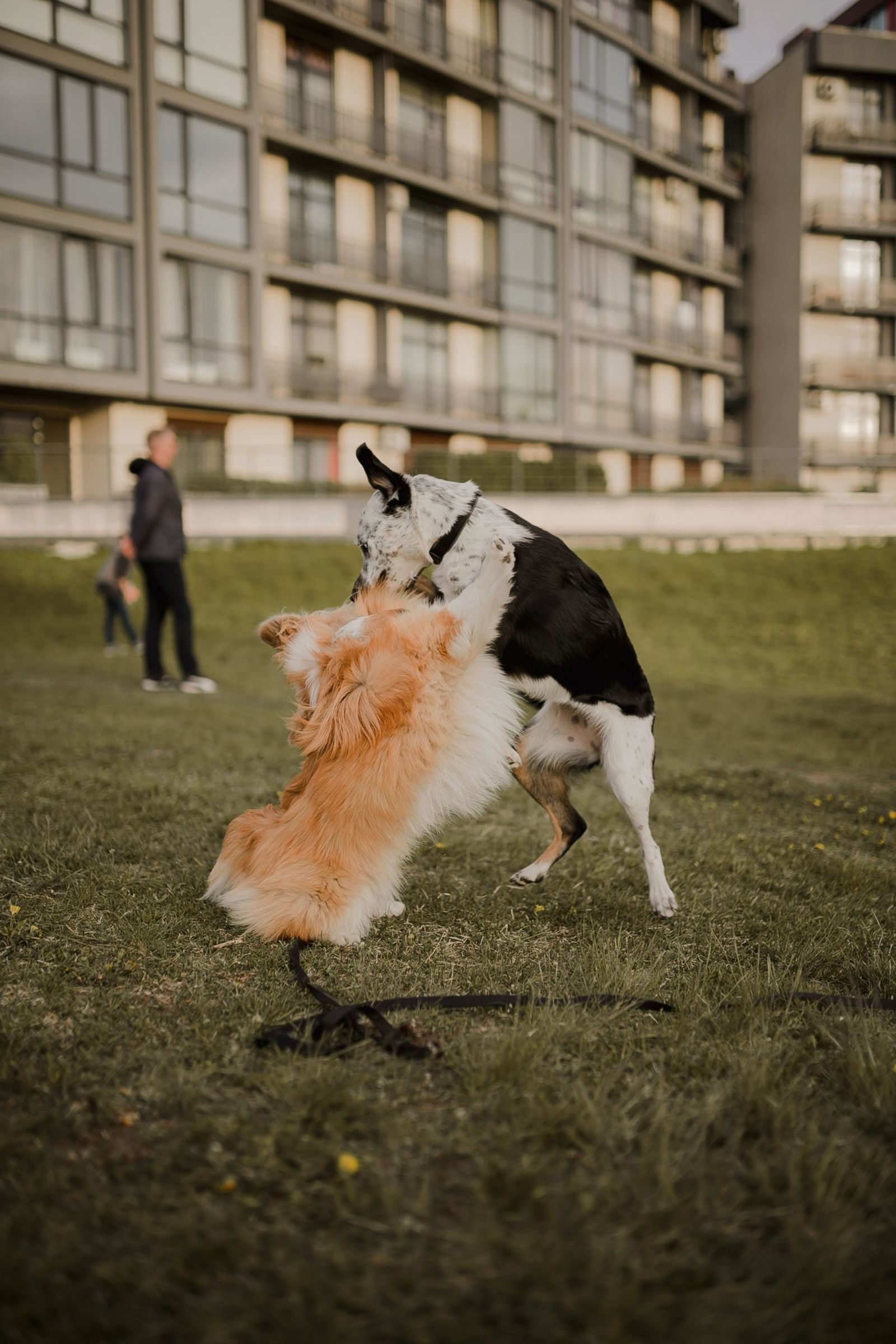
Prepare a week ahead, rehearse with a trial night, keep the food and the smells familiar, and a first stay becomes a routine the dog files under normal life. Skip the preparation and the same facility, the same staff, and the same dog produce a harder week for everyone involved.
Common questions
How long should a first boarding stay be?
One night is ideal as a rehearsal, ideally a few weeks before any long trip. If that is impossible, even a day of daycare at the same facility teaches the dog the place, the staff, and the routine.
Should I call to check on my dog during the stay?
A check-in is fine and most facilities expect it. Ask at drop-off how updates work, then use that channel. One update a day tells you what you need; hourly worry helps neither you nor the dog.
My dog did not eat much on night one. Is that a red flag?
Usually not. A light first day is common while a dog maps a new place. Appetite that stays off into day three, or comes with lethargy or stomach trouble, is worth a conversation with the facility and possibly your vet.
Photos in this guide are representative stock images.
← All guides from Palmetto Paws & Doggy Daycare← Back to Palmetto Paws & Doggy Daycare