An older dog boards differently from a young one, and the season you board in changes the picture again. A senior dog who manages a Lancaster summer at home, moving at his own pace between air conditioning and short yard trips, faces a different workload in a boarding facility during a July heat wave. Planning for that gap is most of what good senior boarding is.
Age alone is not the issue. Stiff joints, medications on a clock, thinner temperature tolerance, poorer night vision, and a lower tolerance for noise and novelty are the real list. Work through it season by season and item by item before the stay, and tell the facility what you found. Good staff would rather have a long, honest briefing than a surprise.
What the seasons do to a senior dog
Summer is the hard season in the Piedmont. Heat and humidity tax older hearts and lungs, and a dog that pants heavily after mild play at home needs shaded outdoor time, water checked often, and exercise scheduled for morning and evening rather than midday. Winter brings a different problem: cold stiffens arthritic joints, short daylight means the last outdoor trip happens in the dark, and a dog with fading vision needs a lit, familiar route and a steady surface without ice or slick steps.
Spring and fall are kinder, though spring storms unsettle noise sensitive seniors, and fall travel season is when boarding fills up, so medication instructions and special requests get made early rather than at a busy front desk.

Senior boarding check, item by item
- Mobility: can the dog handle the facility's stairs, ramps, and flooring? Pass: a ground floor space or ramp access arranged in advance. Fail: assuming he will manage steps he avoids at home.
- Medications: written schedule with dose, timing, and what to do if a dose is refused. Pass: pills packed in a labeled organizer with a spare day included. Fail: a bag of mixed bottles and verbal instructions.
- Temperature plan: exercise timed for cooler hours in summer, bedding off cold floors in winter. Pass: staff know his limits before arrival. Fail: a senior joining midday summer play groups by default.
- Monitoring: appetite, water intake, mobility, and sleep checked and noted daily. Pass: the facility reports changes, not just confirmations. Fail: nobody can say whether he ate yesterday.
- Vet information: your veterinarian's name and an emergency contact who can make decisions. Pass: paperwork complete before drop-off. Fail: the plan is to figure it out if something happens.
- Familiar items: his own bedding or a worn shirt that smells like home. Pass: comfort items allowed and labeled. Fail: everything new, including food, on the same weekend.
Medications and monitoring, the details that matter
Bring medications in their original containers plus a plain written schedule. If a pill gets hidden in food, say so, and say which food works, because a boarding dog that eats cautiously the first day may refuse the trick that works at home. Ask how doses are logged. A facility that initials a chart per dose can tell you exactly what happened on any given morning, and that record matters if your veterinarian needs it later.
Monitoring is the other half. Older dogs hide decline politely. The signs staff should catch are appetite dropping two meals in a row, new difficulty rising, a change in water intake, restlessness at night, and withdrawal from gentle social time. None of these are emergencies on their own; all of them are information your vet wants early rather than at pickup.
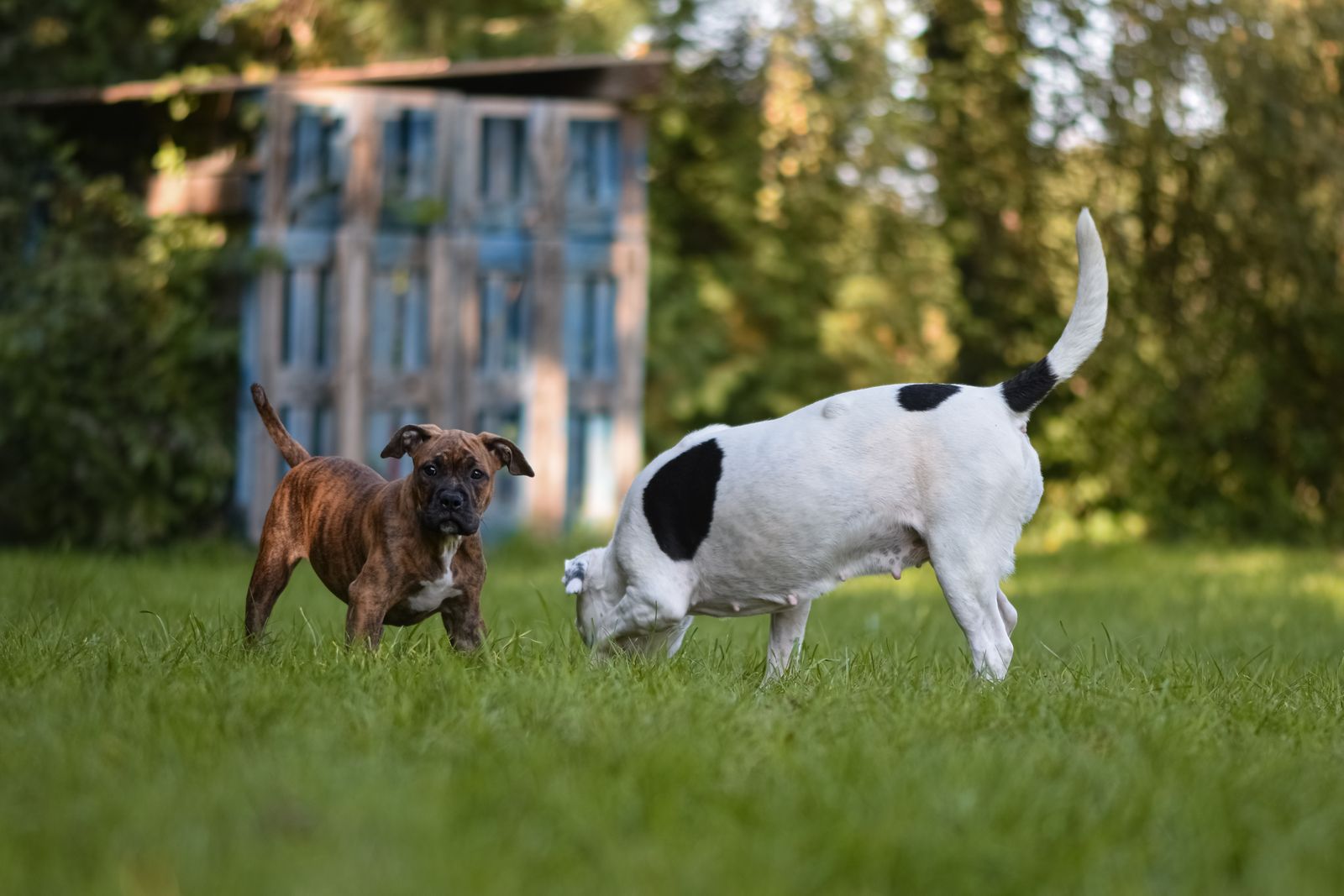
At Palmetto Paws & Doggy Daycare in Lancaster, play groups and outdoor time are part of the daily structure, and a senior's version of that structure should be set before the stay, not improvised during it. Book a short trial stay in mild weather if you can. A dog that has already boarded happily for one night in April is a known quantity when the real trip lands in August.
Common questions
Is boarding too stressful for a very old dog?
It depends on the dog's health and temperament more than the number. A healthy senior that enjoys people and routine usually does well with the planning above. A dog with advanced illness or severe anxiety may do better with a sitter at home, and a vet can help judge.
Should I board a dog with a heart condition in summer?
Ask your veterinarian first, and be specific about heat. If boarding goes ahead, insist on climate controlled rest space, exercise only in cooler hours, and staff who know the warning signs of overheating in an older dog.
What bedding should I send for an arthritic dog?
His own supportive bed if the facility allows it, labeled with his name. Familiar bedding helps twice over: joints get the padding he is used to, and the smell of home settles him at night in a strange place.
Photos in this guide are representative stock images.
← All guides from Palmetto Paws & Doggy Daycare← Back to Palmetto Paws & Doggy Daycare