Some dogs treat a boarding stay as a holiday. Others spend the first day watching the door. Separation anxiety sits on a spectrum, from a dog that is mildly unsettled the first evening to one that will not eat, paces for hours, and vocalizes through the night. The honest work is figuring out where your dog falls before a long stay depends on it, and then building up to boarding in steps the dog can actually succeed at.
None of this requires special equipment. It requires starting early, which is the part owners skip when a trip appears on the calendar six weeks out and feels far away.
Read the signs before you book anything long
A dog with separation trouble usually shows it at home first: following you room to room, distress when you pick up keys or shoes, destructive behavior aimed at doors and windows when left, or a history of complaints about barking during work hours. At boarding, the same dog may refuse food, drool, pace, or try to climb out of spaces. Naming this honestly is not disloyal to your dog. It is how the right plan gets built, and staff at Palmetto Paws & Doggy Daycare in Lancaster would rather hear it at booking than discover it at midnight.
Also be honest in the other direction. Many dogs that are clingy at home settle surprisingly well in a facility, because the environment is busy, social, and structured, and because there is no door that you specifically walked out of. Home behavior predicts boarding behavior imperfectly, which is exactly why trial steps exist.
Easing in, step by step
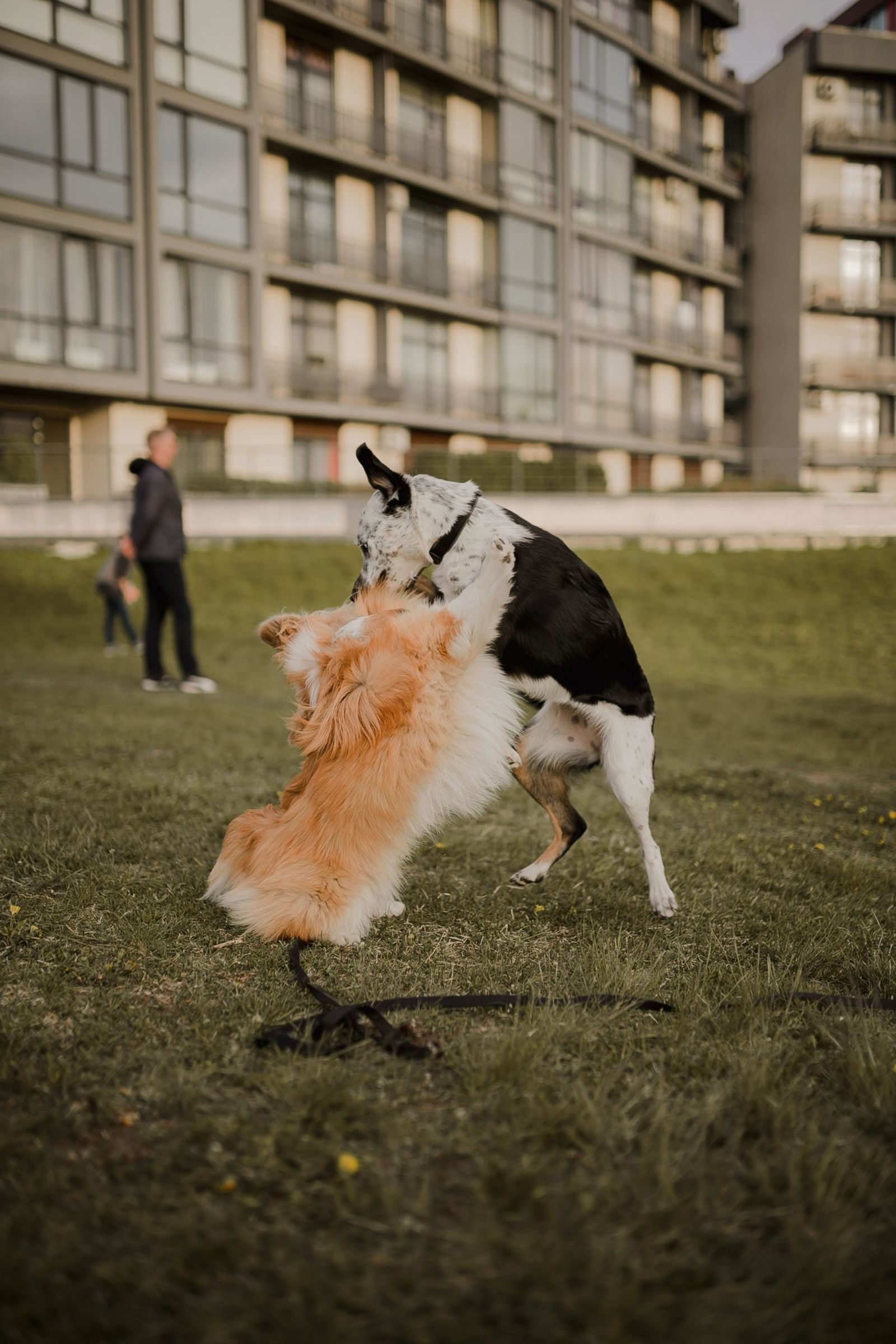
- Start with daycare days. A single day of play with pickup in the evening teaches the dog the essential lesson: this place is fun and you always come back.
- Repeat until the place is boring. Two or three daycare visits, spaced a week or so apart, turn novelty into routine. Watch the reports: eating, playing, and resting are the green flags.
- Add one overnight. A single night, ideally not the night before a trip, tests sleep in the facility without stacking pressure. Most dogs that handled daycare handle the night.
- Send the home smells. A worn t-shirt or the dog's own blanket goes along every time, so the comfort kit becomes part of the routine too.
- Keep arrivals and pickups dull. Calm, brief goodbyes and low key reunions teach the dog that departures are ordinary events, not emotional peaks.
- Build to the real stay. Two nights, then the trip length. Each step the dog succeeds at makes the next one smaller by comparison.
- Talk to your vet if progress stalls. A dog that is not eating or is distressed after honest trial steps may need a different plan, and vets can discuss options for genuinely anxious dogs.
The signs a dog is not ready, and what to do instead
Refusing food past the second day, injuring itself trying to escape, nonstop vocalizing, or stress that escalates rather than settles across trial visits are honest stop signs for now. They do not make boarding impossible forever, but they mean this trip needs a different answer: a sitter in your home, a trusted person staying over, or a longer, vet-guided preparation for next time.
Keep your own behavior in the plan too. Dogs read departures through you, and an owner who hovers, apologizes, and returns twice for one more hug is teaching the dog that this moment is alarming. Pack the night before, load the car calmly, and treat drop-off like any other errand the dog has seen a hundred times. Boredom, performed consistently, is a gift to an anxious dog.
The dogs that board well for years are rarely the ones that were simply thrown in and coped. They are the ones whose owners spent a few weeks teaching them, in small successful doses, that the facility is a familiar place with familiar people, and that every stay ends the same way: with you, on time, like always.
Common questions
How far ahead should I start preparing an anxious dog?
Six to eight weeks before a long stay is comfortable timing: daycare days first, then an overnight, then a short stay. Compressing it into the final week removes the repetition that actually teaches the dog.
Does sending more toys and treats help an anxious dog?
Familiar items help; volume does not. One blanket that smells like home beats a bag of new toys. Favorite treats matter if the dog will eat them, but an anxious dog often will not, which is itself useful information.
Will daycare make separation anxiety worse?
For most dogs, structured social days improve confidence and tire them out in a good way. A dog that comes home from daycare frantic rather than pleasantly tired is showing you the dose is too big, so shorten and repeat instead.
Photos in this guide are representative stock images.
← All guides from Palmetto Paws & Doggy Daycare← Back to Palmetto Paws & Doggy Daycare